Medical Gas Pipeline Systems (MGPS): A Guide for Hospitals
August 4, 2026 · 2 min read
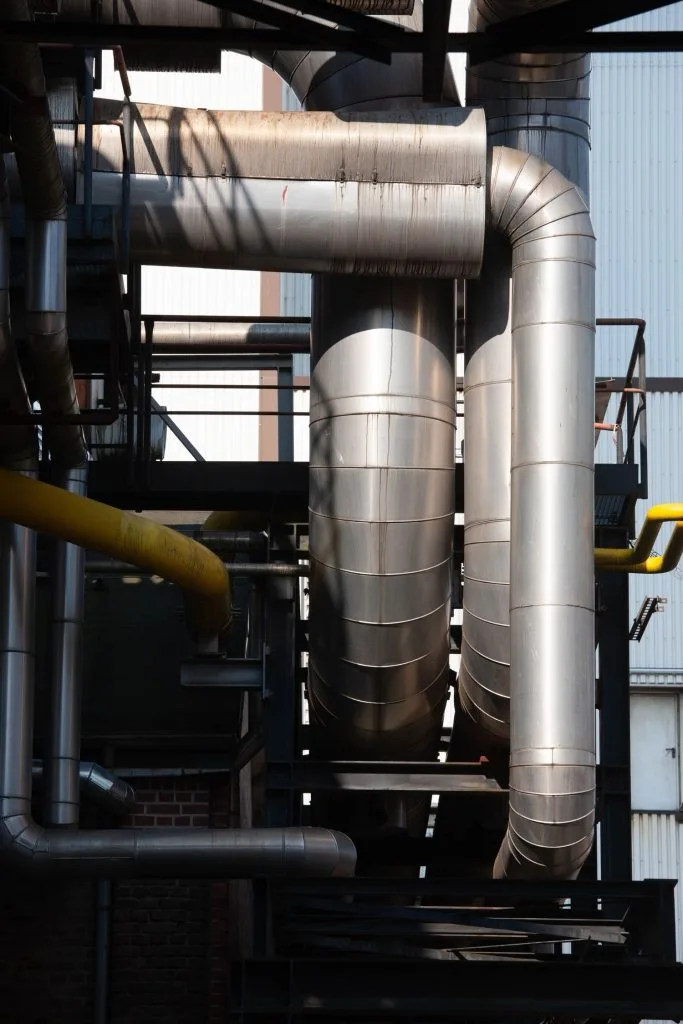
A Medical Gas Pipeline System (MGPS) delivers oxygen, medical air, nitrous oxide and vacuum directly to outlet points at every bed, ICU and operation theatre — removing the need to move heavy cylinders around a hospital. A well-designed MGPS is safer, more reliable and far more convenient for clinical staff.
Key components
- Gas source: Manifold rooms with cylinder banks, or a liquid oxygen (LMO) tank, plus air compressors and vacuum pumps.
- Copper pipeline network: Degreased, medical-grade copper piping carrying each gas to the wards.
- Zone valve boxes: Isolation valves that let staff shut off gas to a specific area in an emergency.
- Alarm panels: Area and master alarms that monitor pressure and warn of faults.
- Outlet points: Gas-specific, non-interchangeable wall or pendant outlets at each bed.
Design & safety principles
- Each gas uses non-interchangeable fittings so the wrong gas can never be connected.
- Systems are built to relevant NBC / HTM / ISO 7396 standards.
- A duplex (duty + standby) source ensures continuous supply.
- Pressure testing, purging and certification are carried out before commissioning.
Installation process
A typical MGPS project runs from site survey and design, to copper pipe installation, zone valve and alarm configuration, pressure testing, purging, and final commissioning with certification.
Our MGP team handles end-to-end projects — from design to certified handover — for multi-speciality hospitals, district hospitals and nursing homes. Learn more about our medical gas services or request a site survey.
Ready to Get Started?
Contact us today for the best prices on industrial gases, medical oxygen, and fire safety equipment.
Contact Us Now